Old Fashioned Beef Stew
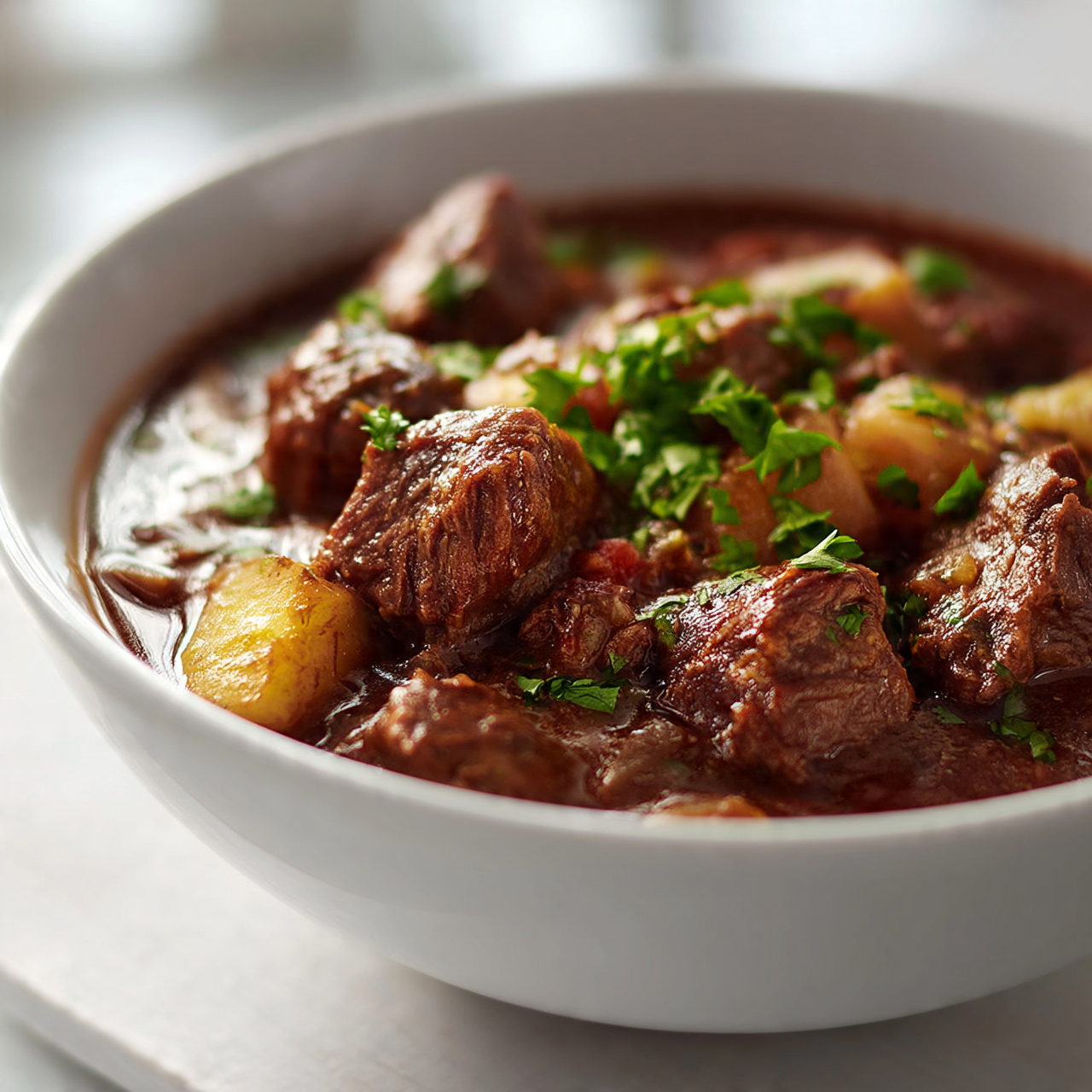
This Old Fashioned Beef Stew is the ultimate cozy comfort food, loaded with tender chunks of beef, hearty vegetables, and a rich, velvety broth that tastes like it simmered all day.

The Kind of Beef Stew That Feels Like Home
There are some recipes that go beyond food. This Old Fashioned Beef Stew is one of them. It is the kind of meal that fills your whole kitchen with a deep, savory aroma, the kind that makes everyone drift toward the stove asking when it will be ready. This is a Classic Beef Stew Recipe rooted in the same slow, unhurried techniques that home cooks have relied on for generations, and for very good reason.
What makes this version stand apart from the rest? It starts with a proper sear on the beef, builds flavor by blooming the tomato paste in the pot, and takes its time with a long, slow simmer that transforms humble ingredients into something truly extraordinary. Whether you grew up eating a bowl just like this on Sunday nights or you are discovering it for the first time, this recipe will earn a permanent spot in your kitchen.
Getting How To Make Old Fashioned Beef Stew right comes down to a few key tools and ingredient choices. A heavy Dutch oven is non-negotiable for even heat distribution, and using low-sodium beef broth lets you control the salt level beautifully throughout the cooking process.
Choosing the Right Beef
The best beef for stew is beef chuck roast, full stop. It comes from the shoulder of the cow and is loaded with connective tissue and marbling that breaks down during slow cooking, turning into the rich, gelatinous texture that makes every bite so satisfying.
Avoid lean cuts like sirloin or round steak here. They lack the fat and collagen needed to become tender, and they will turn dry and tough no matter how long you cook them.
Chef's Tip: Cut your beef into generous 1.5-inch cubes. Pieces that are too small will overcook and fall apart before the vegetables are even done.
The Secret Is in the Sear
If there is one step that separates a good stew from a truly great one, it is browning the beef properly before it ever touches the broth. This process, called the Maillard reaction, builds an incredible depth of flavor that you simply cannot get any other way.
Here is how to nail it every time:
- Pat the beef completely dry before dredging it in flour. Moisture is the enemy of a good sear.
- Work in batches. Crowding the pot drops the temperature and causes the beef to steam rather than brown.
- Do not move the beef once it hits the pan. Let it sit undisturbed for 3 to 4 minutes so a proper crust can form.
- Look for a deep mahogany color on each side before turning.
Those browned bits stuck to the bottom of the pot are pure gold. When you deglaze with red wine or broth, they dissolve into the stew and become the backbone of the entire dish.
Building the Broth
The broth in this Best Beef Stew Recipe is not just a liquid, it is the heart of the whole dish. After the beef is seared and the aromatics are softened, tomato paste goes in and gets cooked directly in the pot for a minute or two. This small step concentrates its flavor and adds a subtle sweetness and body to the final broth.
A splash of dry red wine deepens everything further, while Worcestershire sauce adds that mysterious savory note that keeps people coming back for seconds without quite being able to name why.
Chef's Tip: If you are skipping the wine, add a teaspoon of balsamic vinegar along with extra broth. It mimics that same pleasant acidity beautifully.
Timing Your Vegetables
One of the most common mistakes in a classic beef stew recipe is adding the vegetables too early. Carrots and potatoes added at the start of a two-hour braise will turn to mush long before the beef is tender.
In this recipe, the beef gets a full hour of simmering on its own before the vegetables join the pot. That way, the beef reaches the edge of tenderness first, and the vegetables get just enough time to cook through without losing their texture or their color.
Frozen peas go in at the very end, just long enough to warm through and retain their bright green color and sweet flavor.
Ready to make the most comforting bowl of Old Fashioned Beef Stew Recipe you have ever tasted? Here is everything you need:
Old Fashioned Beef Stew
This Old Fashioned Beef Stew is the ultimate cozy comfort food, loaded with tender chunks of beef, hearty vegetables, and a rich, velvety broth that tastes like it simmered all day.
Ingredients
- 2 lb beef chuck roast, cut into 1.5-inch cubes
- 3 tbsp all-purpose flour, for dredging
- 1 1/2 tsp kosher salt, divided
- 1 tsp black pepper, freshly cracked
- 3 tbsp vegetable oil, divided
- 1 yellow onion, large, roughly chopped
- 4 garlic cloves, minced
- 2 tbsp tomato paste
- 1 tbsp Worcestershire sauce
- 1/2 cup dry red wine, such as Cabernet Sauvignon, optional but recommended
- 4 cups beef broth, low sodium
- 2 bay leaves, dried
- 4 fresh thyme sprigs, or 1 tsp dried thyme
- 1 1/2 lb Yukon Gold potatoes, cut into 1-inch chunks
- 3 carrots, large, peeled and sliced into 1-inch pieces
- 3 celery stalks, sliced into 1-inch pieces
- 1 cup frozen peas, added at the end
- 2 tbsp fresh flat-leaf parsley, chopped, for garnish
Instruction
Pat the beef cubes completely dry with paper towels. In a large bowl, toss the beef with the flour, 1 teaspoon of salt, and the black pepper until evenly coated.
Heat 2 tablespoons of oil in a large Dutch oven or heavy-bottomed pot over medium-high heat until shimmering. Working in two batches to avoid crowding, sear the beef cubes on all sides until deeply browned, about 3 to 4 minutes per side. Transfer the seared beef to a plate and set aside.
Reduce the heat to medium and add the remaining 1 tablespoon of oil to the pot. Add the chopped onion and celery and cook, stirring occasionally, until softened, about 5 minutes. Scrape up any browned bits from the bottom of the pot as you stir.
Add the minced garlic and tomato paste and cook for 1 to 2 minutes, stirring constantly, until the tomato paste darkens slightly and becomes fragrant.
Pour in the red wine (if using) and stir to deglaze the pot, scraping up all the browned bits from the bottom. Let it simmer for 2 minutes until slightly reduced.
Return the seared beef and any accumulated juices to the pot. Add the beef broth, Worcestershire sauce, bay leaves, thyme, and remaining 0.5 teaspoon of salt. Stir to combine and bring to a boil.
Once boiling, reduce the heat to low, cover the pot, and let the stew simmer gently for 1 hour, stirring occasionally.
After 1 hour, add the potatoes and carrots. Stir to combine, cover, and continue simmering for another 35 to 45 minutes, or until the beef is fork-tender and the vegetables are fully cooked.
Remove and discard the bay leaves and thyme sprigs. Stir in the frozen peas and let them warm through for 2 to 3 minutes.
Taste and adjust seasoning with salt and pepper as needed. Ladle into bowls and garnish with fresh parsley before serving.
Equipment
- Large Dutch oven or heavy-bottomed pot (at least 6-quart)
- Large mixing bowl
- Tongs
- Wooden spoon or silicone spatula
- Chef's knife and cutting board
- Measuring cups and spoons
- Paper towels
Notes
Serving and Storing Your Stew
This stew is a complete, deeply satisfying meal on its own, but it absolutely loves good company. Serve it alongside:
- Crusty sourdough bread or warm dinner rolls for soaking up every last drop of that incredible broth
- Buttery mashed potatoes if you want an extra layer of comfort
- A simple green salad to balance the richness
For storing, this stew is one of those rare dishes that genuinely improves with time. The flavors meld and deepen overnight, making leftovers even more delicious than the original pot. Store cooled stew in an airtight container in the refrigerator for up to 4 days, or freeze portions for up to 3 months.
Reheat gently on the stovetop over medium-low heat, adding a splash of beef broth to loosen the broth if it has thickened during storage. A quick stir and a few minutes of patience are all it takes to bring it right back to life.