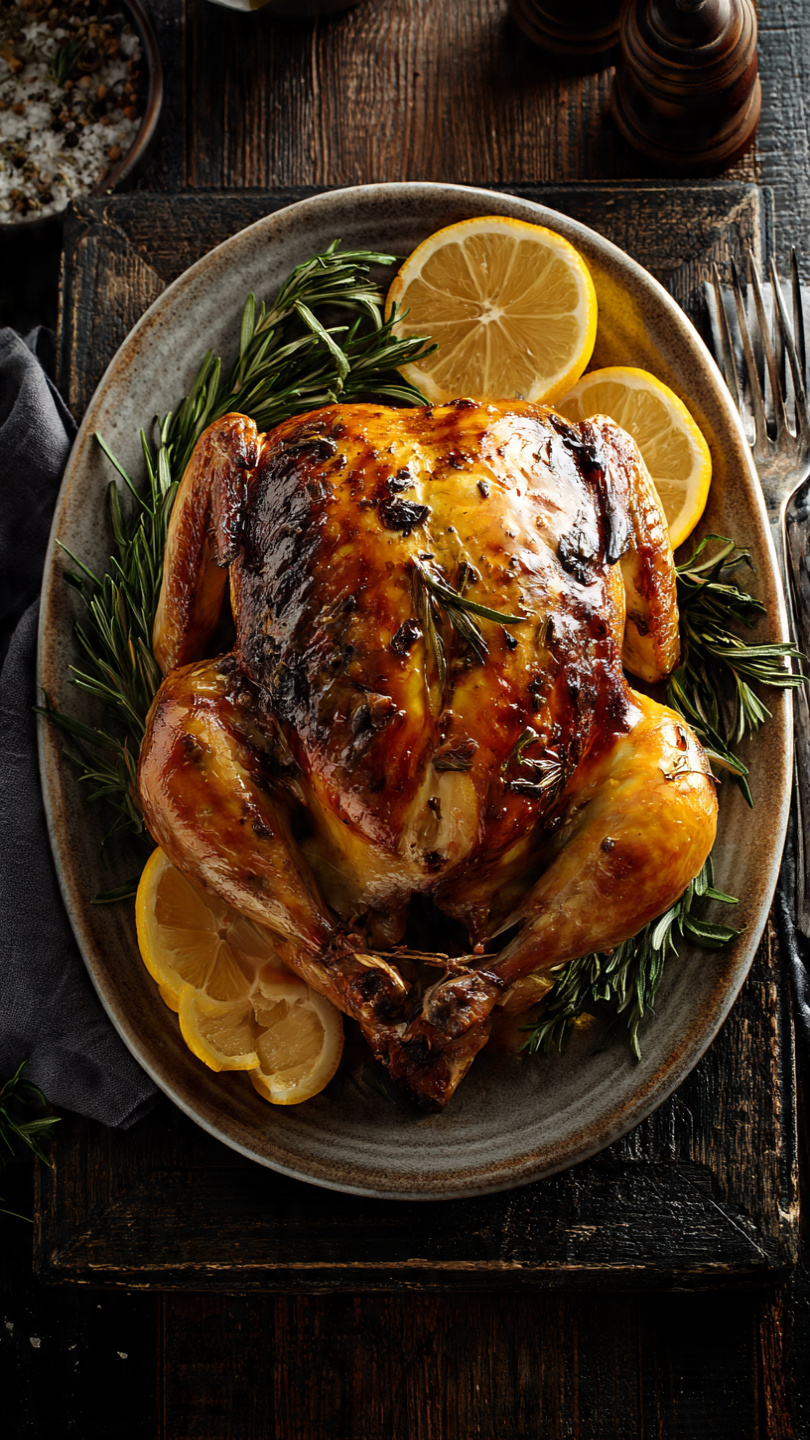
Perfect Oven Roast Chicken
This easy whole chicken in oven recipe delivers impossibly crispy skin, juicy meat, and rich pan drippings every single time. The best oven roasted whole chicken recipe you will ever need.

The Only Oven Roast Chicken Recipe You Will Ever Need
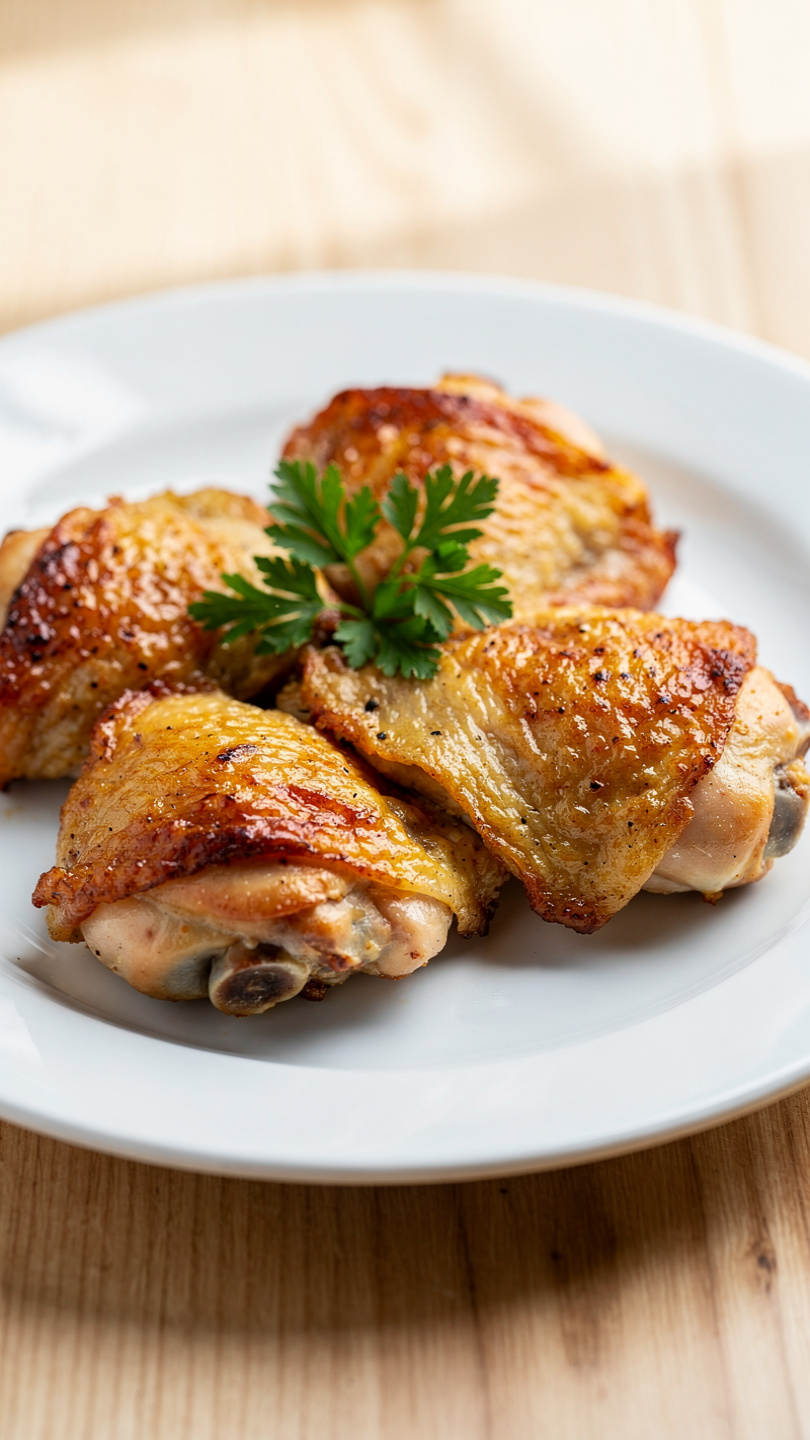
There is something deeply satisfying about a perfectly roasted chicken coming out of the oven. The skin crackles and glows a deep amber gold. The kitchen fills with the kind of smell that makes everyone wander in asking when dinner will be ready. And when you finally carve into it, the meat is so juicy it practically sighs.
This is the whole chicken recipe oven cooks reach for on Sunday evenings, holiday tables, and any night that deserves something special without requiring a culinary degree. Simple baked whole chicken recipes should not be complicated, and this one is not. A handful of pantry staples, one good pan, and a thermometer are all you need.
Why This Recipe Actually Works
Most roast chicken failures come down to two things: wet skin and guessing on doneness. This recipe solves both directly.
Patting the chicken completely dry before seasoning is non-negotiable. Moisture on the surface steams the skin instead of crisping it, and steamed skin is the enemy of everything we are after here. The second trick is starting the oven at a high 425 degrees F to immediately begin browning, then dropping to 375 degrees F to finish cooking the meat through gently and evenly.
The butter-under-the-skin technique is what separates a good whole oven roasted chicken recipe from a truly great one. Fat applied directly to the meat bastes it from the inside as it cooks, keeping every bite juicy even if you accidentally leave it in a few minutes longer than planned.
Chef's Tip: If you have time, salt the chicken uncovered in the refrigerator for 8 to 24 hours before cooking. This dry-brine is a game changer. The salt draws out surface moisture, then reabsorbs back into the meat, seasoning it deeply while leaving the skin bone-dry for maximum crispiness.
The Right Tools Make a Real Difference
A heavy roasting pan or a well-seasoned cast iron skillet conducts heat evenly and builds up a beautiful fond on the bottom that becomes the base for an incredible pan sauce. An instant-read thermometer removes all the guesswork and ensures you never serve undercooked or dried-out chicken again.
Building Layers of Flavor
The bed of vegetables underneath the chicken does two important jobs. First, it lifts the bird off the pan floor so heat can circulate underneath for even cooking. Second, and more deliciously, the onion, carrot, and celery soak up every drop of seasoned butter and chicken fat that drips down during roasting, turning into deeply caramelized, savory morsels that are worth fighting over at the table.
Inside the cavity, the lemon, garlic, and fresh herbs perfume the meat gently from the inside. You are not stuffing it in the traditional sense. You are simply giving the warm air circulating inside the bird something fragrant to pick up on its way through.
Smoked paprika in the butter rub is a small addition that pays off big. It adds a subtle warmth and deepens the color of the skin into that restaurant-quality mahogany brown that makes perfectly roasted chicken oven results look like something off a magazine cover.
Roast Chicken Oven Cooking Time at a Glance
Every bird is a little different, but here is a reliable framework:
- 3 to 3.5 lbs: About 60 to 70 minutes total
- 3.5 to 4.5 lbs: About 75 to 90 minutes total
- 4.5 to 5.5 lbs: About 90 to 110 minutes total
Always verify with a thermometer. Pull the chicken when the thickest part of the thigh hits 165 degrees F. Then rest it for a full 15 minutes before carving. The resting period is when the juices redistribute back into the meat. Cut too early and they all run out onto your board.
Ready to make the best oven roasted whole chicken of your life? Here is the full recipe:
Perfect Oven Roast Chicken
This easy whole chicken in oven recipe delivers impossibly crispy skin, juicy meat, and rich pan drippings every single time. The best oven roasted whole chicken recipe you will ever need.
Ingredients
- 1 whole chicken, 3.5 to 4.5 lbs, patted completely dry
- 4 tbsp unsalted butter, softened to room temperature
- 2 tbsp olive oil, extra virgin
- 2 tsp kosher salt, plus more to season cavity
- 1 tsp black pepper, freshly cracked
- 6 garlic, cloves, smashed and peeled
- 6 fresh thyme, sprigs
- 2 fresh rosemary, sprigs
- 1 lemon, halved
- 1 yellow onion, quartered
- 3 carrots, halved lengthwise
- 3 celery stalks, cut into large pieces
- 1/2 tsp garlic powder
- 1/2 tsp smoked paprika
Instruction
Remove the chicken from the refrigerator at least 30 minutes before cooking to take the chill off. Preheat your oven to 425 degrees F (220 degrees C).
Pat the chicken completely dry inside and out with paper towels. This is the single most important step for achieving crispy skin.
In a small bowl, mix the softened butter with garlic powder, smoked paprika, half the salt, and half the black pepper until well combined.
Gently loosen the skin over the breast and thighs with your fingers. Rub half the seasoned butter directly underneath the skin, pressing it evenly across the meat.
Rub the outside of the entire chicken with olive oil, then spread the remaining butter mixture all over the skin. Season generously with the remaining salt and pepper.
Stuff the cavity loosely with the smashed garlic cloves, lemon halves (give them a gentle squeeze first), thyme sprigs, and rosemary sprigs.
Scatter the quartered onion, carrots, and celery in the bottom of a roasting pan or large cast iron skillet. These act as a natural roasting rack and build incredible flavor in the drippings.
Set the chicken breast-side up on top of the vegetables. Tie the legs together with kitchen twine if desired and tuck the wing tips under the body.
Roast uncovered at 425 degrees F for 20 minutes to get the skin crisping started. Then reduce the oven temperature to 375 degrees F (190 degrees C).
Continue roasting until an instant-read thermometer inserted into the thickest part of the thigh (not touching bone) reads 165 degrees F (74 degrees C). This typically takes another 55 to 70 minutes depending on the size of your bird.
Transfer the chicken to a cutting board and tent it loosely with foil. Rest for at least 15 minutes before carving. Do not skip the resting step.
Equipment
- Roasting pan or large cast iron skillet
- Instant-read meat thermometer
- Kitchen twine
- Basting brush
- Small mixing bowl
- Cutting board
- Sharp carving knife
- Aluminum foil
Notes
Serving, Storing, and Making the Most of Leftovers
Serve straight from the pan alongside the roasted vegetables, a green salad, or crusty bread for soaking up the drippings. The pan itself holds enough flavor for a quick pan sauce: just deglaze with a splash of white wine or chicken broth over medium heat and scrape up all those browned bits.
Leftovers keep beautifully for up to 4 days in the fridge. Shred the remaining meat for chicken tacos, grain bowls, pasta, or a simple sandwich the next day. And whatever you do, save the carcass. Simmered with aromatics and cold water for a few hours, it makes a rich homemade stock that freezes for up to 3 months and makes everything you cook taste better.
This is the kind of recipe that earns a permanent spot in your rotation, not because it is impressive for a dinner party, though it absolutely is, but because it makes an ordinary weeknight feel worth sitting down for.