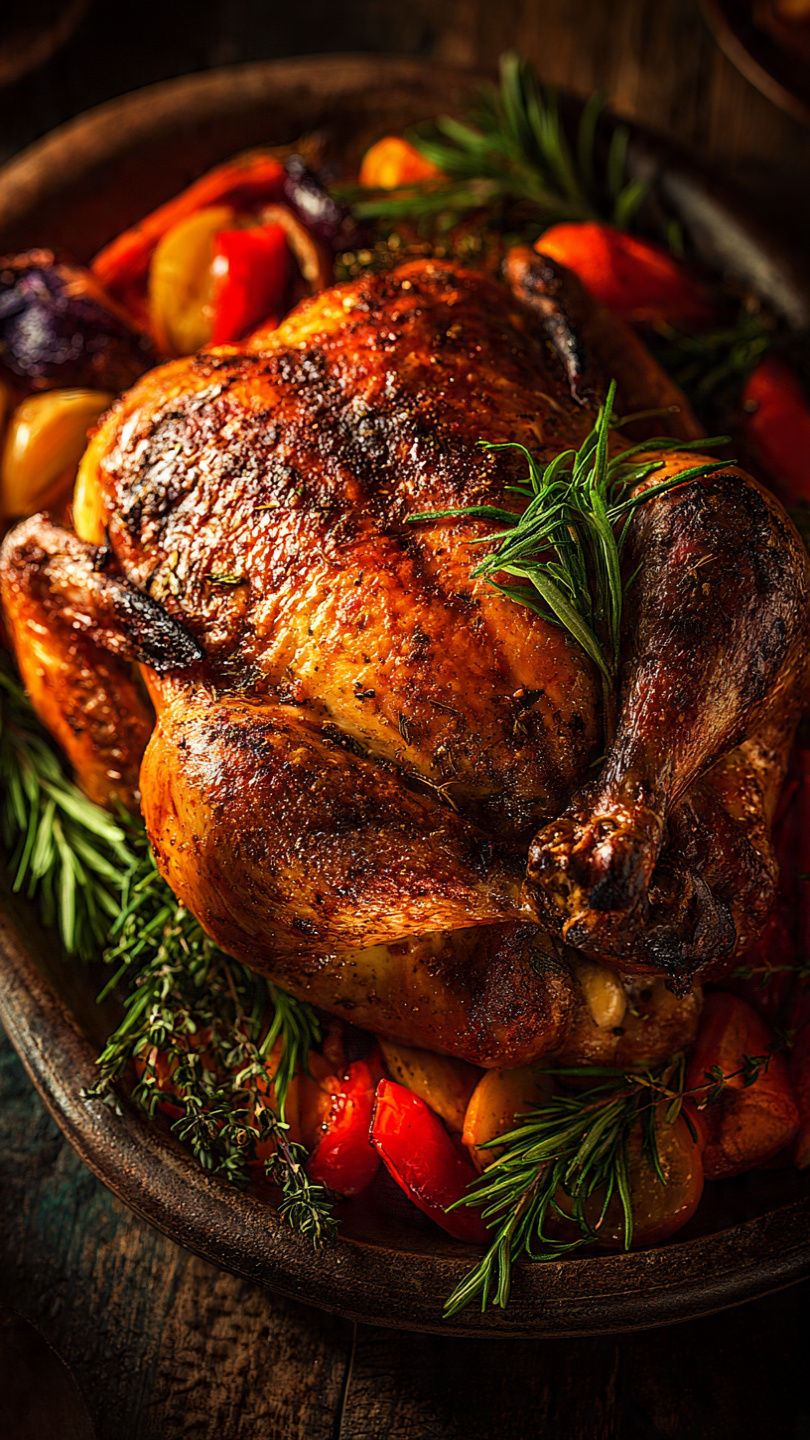
Perfect Whole Roast Chicken That Will Wow Your Whole Family
This perfectly seasoned whole roast chicken delivers crispy golden skin, juicy meat, and incredible flavor that makes it the ultimate hearty family dinner for any occasion.

The Whole Roast Chicken That Belongs on Every Family Table
There is something almost magical about a whole roast chicken coming out of the oven. The skin is crackly and deep golden, the aroma fills every corner of the house, and when you set it down at the table, everyone leans in. This is one of those amazing family dinners that looks impossibly impressive but is genuinely straightforward to pull off, even on a busy weeknight.
This recipe draws on classic Southern dishes and dinner traditions, the kind where a simple, honest bird seasoned with care becomes the centerpiece everyone remembers. Whether you are planning a Sunday chicken breast dinner, an Easter dinner showstopper, or just a hearty family dinner that stretches into great leftovers, this is the recipe to reach for.
Getting a few tools and quality ingredients right makes all the difference when you are roasting a whole bird. A reliable instant-read thermometer and a sturdy roasting rack are the two investments that separate a truly great roast chicken from a merely decent one.
Why This Recipe Works
Most roast chicken disappointments come down to two things: wet skin and dry breast meat. This recipe solves both problems directly.
The skin gets crispy because we pat the chicken bone dry and use a high-heat start at 425 degrees F before lowering the temperature to finish cooking gently. The butter-under-skin technique bastes the chicken breast meat continuously from the inside out, keeping it juicy all the way through.
The meat stays tender because of the resting period. A 15-minute rest after the oven is non-negotiable. Cut too early and all those beautiful juices run straight onto the cutting board.
A few more things that set this apart:
- Morton's coarse kosher salt dissolves beautifully into the butter rub and seasons evenly without making the skin taste overly salty
- Smoked paprika in the butter adds a subtle depth and helps develop that gorgeous mahogany color on the skin
- Aromatics in the cavity (lemon, garlic, fresh herbs, onion) perfume the meat from the inside as it roasts
Chef's Tip: If you have any extra time, season the chicken and leave it uncovered in the refrigerator overnight. This simple dry-brine transforms the skin from good to genuinely extraordinary. It is the one technique that professional cooks use that almost no home cook bothers with, and it is completely effortless.
Choosing the Right Chicken
For fresh chicken breast recipes and whole bird roasting, the quality of the bird matters more than almost anything else. Look for a fresh, air-chilled whole chicken with the chicken breast skin on and intact. Air-chilled birds retain less water than water-chilled ones, which means the skin browns faster and crisps more reliably.
A bird between 3.5 and 4.5 pounds is the sweet spot for even cooking. Anything larger tends to have overcooked breast meat by the time the thighs are done.
Organic and pasture-raised chickens genuinely taste better here. The flavor is richer, the texture is firmer in the best way, and the skin renders more beautifully. It is worth the small price difference for a recipe this simple, where the chicken is truly the star.
Toppings and Serving Ideas
One of the joys of roast chicken is how versatile it is at the table. The pan drippings alone make a simple, silky jus that needs nothing more than a spoon. Beyond that, here are some favorite toppings for chicken that take it even further:
- A squeeze of fresh lemon juice over carved slices for brightness
- Scattered fresh flat-leaf parsley or chives for color and freshness
- A spoonful of garlic herb compound butter melted over the warm meat
- A light chimichurri or salsa verde for a bolder, herbal finish
For sides, roasted vegetables cooked in the same pan, creamy mashed potatoes, or a simple green salad round this out into one of the most satisfying and complete hearty family dinners imaginable.
Ready to make the most rewarding roast chicken of your life? Here is everything you need:
Perfect Whole Roast Chicken That Will Wow Your Whole Family
This perfectly seasoned whole roast chicken delivers crispy golden skin, juicy meat, and incredible flavor that makes it the ultimate hearty family dinner for any occasion.
Ingredients
- 1 whole chicken, 3.5 to 4.5 lbs, giblets removed and patted completely dry
- 4 tbsp unsalted butter, softened to room temperature
- 1 1/2 tsp kosher salt, Morton's coarse kosher salt preferred
- 1 tsp black pepper, freshly cracked
- 6 garlic, cloves, smashed and peeled
- 6 fresh thyme, sprigs
- 3 fresh rosemary, sprigs
- 1 lemon, halved
- 1 yellow onion, quartered
- 2 tbsp olive oil, extra virgin
- 1 tsp smoked paprika
- 1/2 tsp garlic powder
- 1/2 tsp onion powder
- 1/2 cup chicken broth, low-sodium, for the roasting pan
Instruction
Remove the chicken from the refrigerator 45 minutes before cooking to take the chill off. Preheat your oven to 425 degrees F (220 degrees C).
Pat the chicken completely dry inside and out with paper towels. This is the single most important step for achieving crispy skin.
In a small bowl, mix the softened butter with the smoked paprika, garlic powder, onion powder, half the salt, and half the pepper until well combined.
Gently loosen the skin over the chicken breasts and thighs by running your fingers underneath it. Spread about two-thirds of the seasoned butter directly onto the meat under the skin.
Rub the outside of the entire chicken with olive oil, then spread the remaining butter mixture over the skin. Season the exterior generously with the remaining salt and pepper.
Stuff the cavity with the lemon halves, smashed garlic cloves, onion quarters, fresh thyme sprigs, and rosemary sprigs.
Tie the legs together with kitchen twine and tuck the wing tips underneath the body to prevent burning.
Pour the chicken broth into the bottom of a roasting pan or large cast iron skillet. Place the chicken breast-side up on a roasting rack set over the pan.
Roast at 425 degrees F for 15 minutes to start browning the skin, then reduce the temperature to 375 degrees F (190 degrees C) and continue roasting.
Continue roasting for 60 to 75 more minutes, or until an instant-read thermometer inserted into the thickest part of the thigh (away from bone) reads 165 degrees F (74 degrees C). Baste with pan juices once or twice during the last 30 minutes.
Remove the chicken from the oven and tent loosely with foil. Let it rest for at least 15 minutes before carving. This rest time is essential for keeping the juices locked inside the meat.
Carve and serve with the pan drippings spooned over the top as a simple jus.
Equipment
- Roasting pan or large cast iron skillet
- Roasting rack
- Instant-read meat thermometer
- Kitchen twine
- Basting brush
- Sharp carving knife
- Cutting board
- Small mixing bowl
- Aluminum foil
Notes
Storing and Making the Most of Leftovers
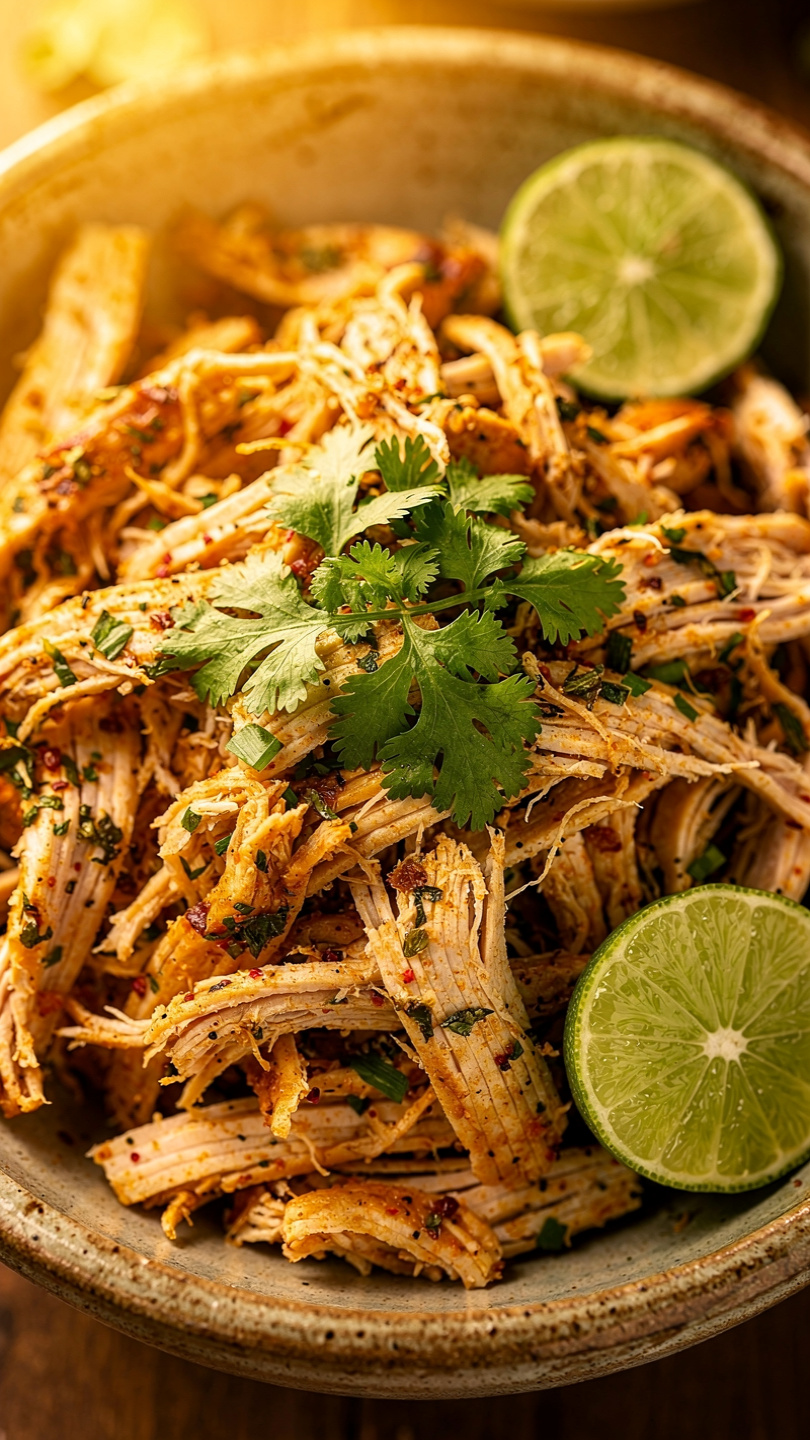
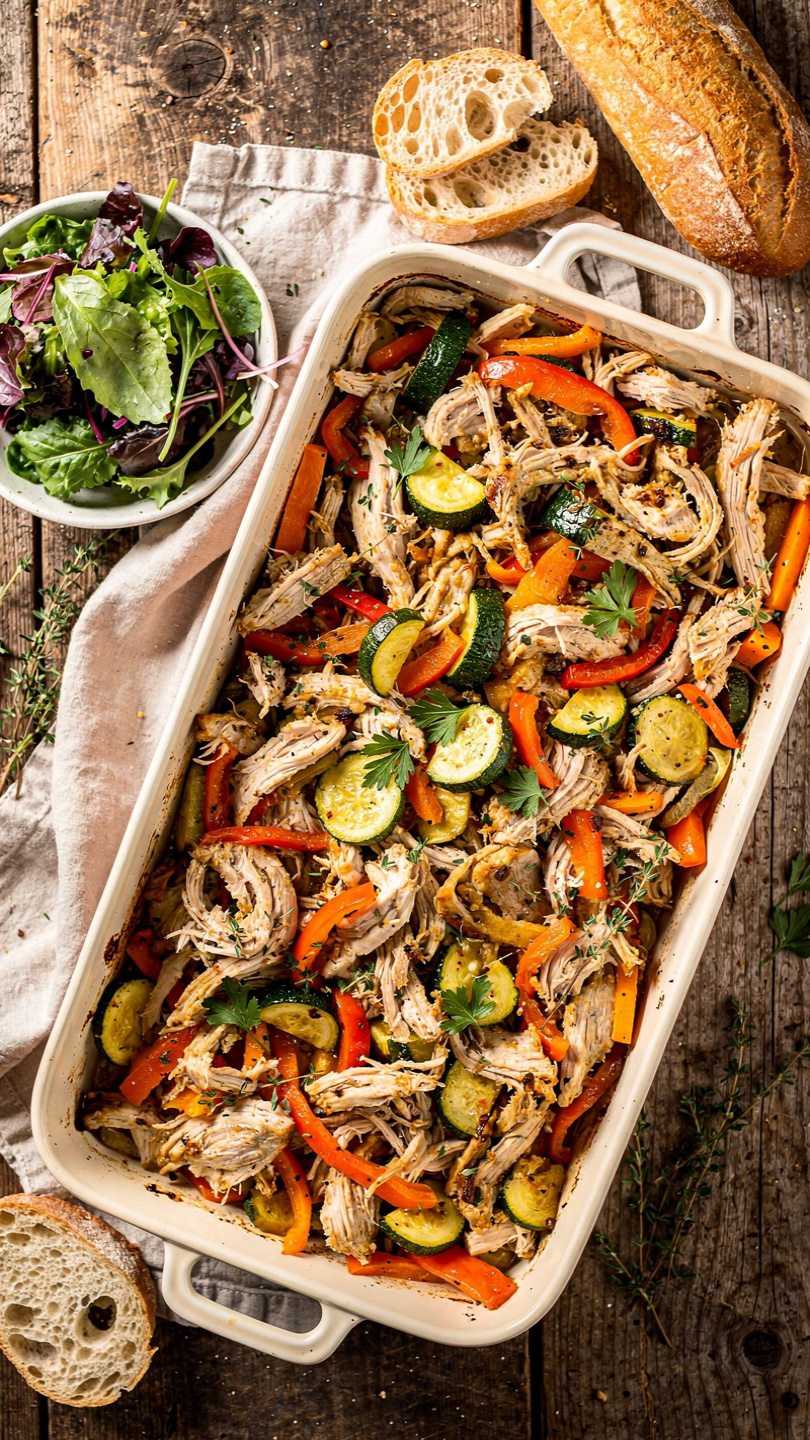
Leftover roast chicken might actually be better than the original dinner. Strip the carcass the next day and you have the foundation for chicken salad, tacos, pasta, grain bowls, or a deeply flavored homemade stock.
Sliced leftover chicken keeps in an airtight container in the refrigerator for up to 4 days. Reheat gently in a covered skillet with a small splash of broth over medium-low heat rather than blasting it in the microwave, which toughens the meat.
The carcass, tucked into a pot with onion, celery, carrot, and cold water, simmers down into a golden, rich stock in about two hours. That stock then becomes the base for the next amazing family dinner. One chicken really does keep giving all week long.