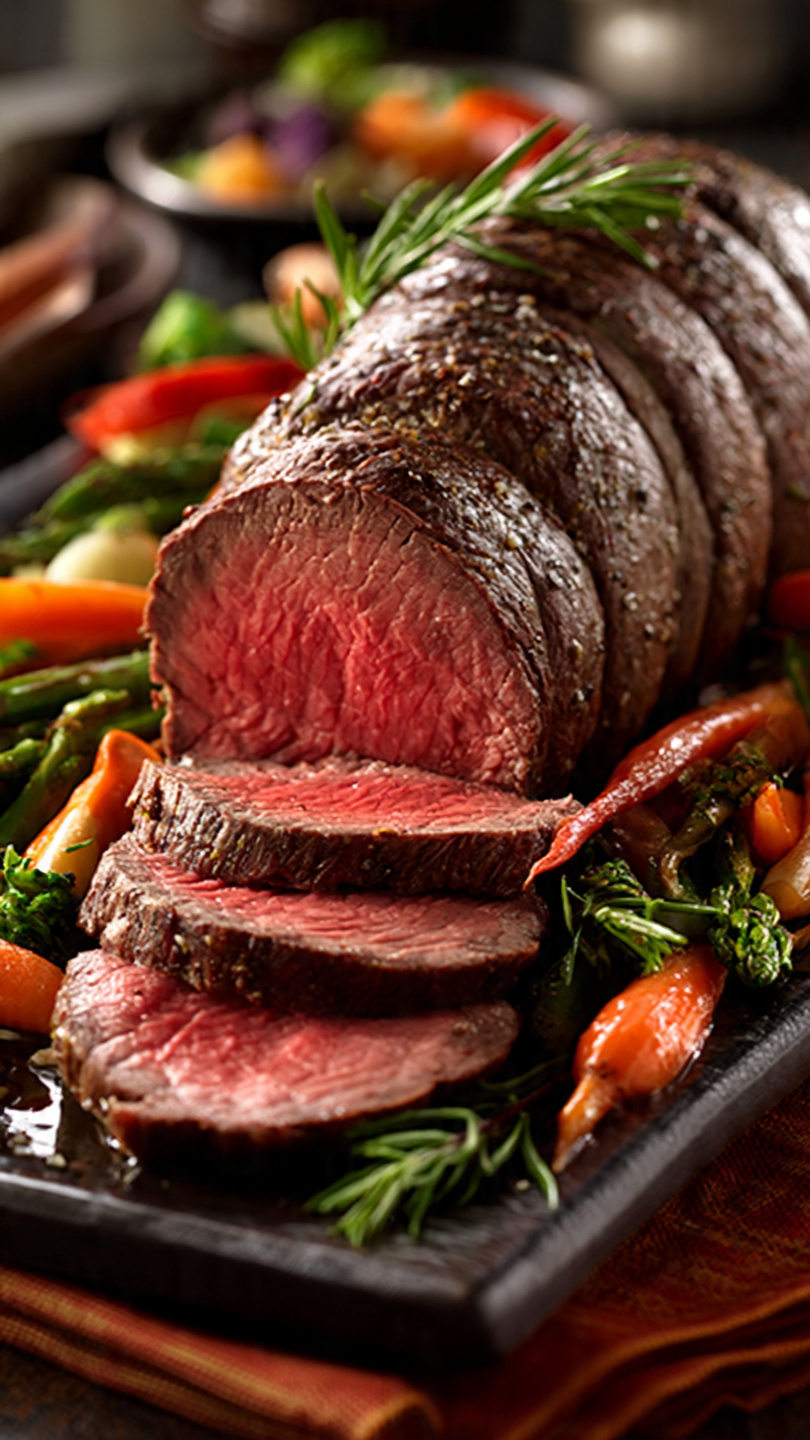
Million Dollar Roast Beef Tenderloin
This Million Dollar Roast Beef Tenderloin delivers a perfectly seared, oven-roasted filet mignon roast with a buttery herb crust that will impress every guest at your table.

The Roast That Makes Every Guest Go Silent
There are meals you make on a Tuesday and meals you make when something truly matters. This Million Dollar Roast Beef Tenderloin is firmly in the second category. Whether you are hosting a holiday dinner, celebrating a milestone, or simply refusing to settle for ordinary, this prime tenderloin roast delivers the kind of result that draws the entire table to silence on the first bite.
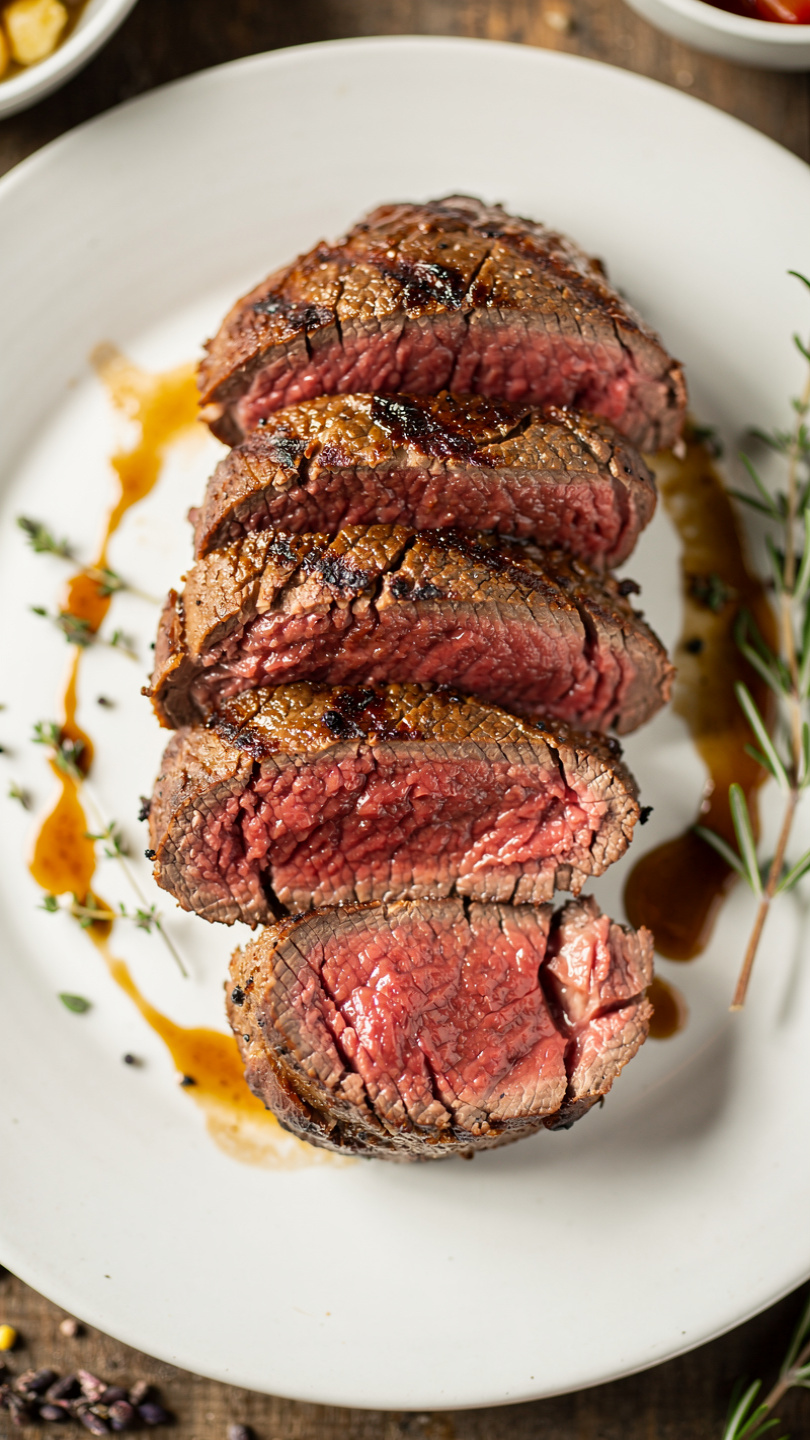
The secret is not complicated. It is about respecting the ingredient, building layers of flavor through seasoning and a quick sear, and finishing the roast with a garlic herb compound butter that melts into every crevice as it comes out of the oven. The result is a filet mignon tenderloin roast with a deep mahogany crust, a rosy pink center, and flavors that taste like you spent hours in the kitchen even when you did not.
Why This Recipe Works Every Single Time
Beef tenderloin is one of the most forgiving premium cuts when you follow a few core rules. The muscle does very little work on the animal, which is exactly why it is so tender. It is also why it does not need a long cook time. Most oven baked beef tenderloin recipes that go wrong do so because of two mistakes: skipping the sear, and skipping the rest.
The sear creates a crust that locks in juices and adds color. The rest allows those juices to redistribute so every slice stays moist. Follow both steps and you have a foolproof roasted beef tenderloin recipe that works whether you are cooking for four or for twelve.
Chef's Tip: Dry your tenderloin completely with paper towels before seasoning. Moisture on the surface of the meat is the enemy of a proper sear. A dry surface browns, a wet surface steams.
The beef tenderloin seasoning recipe here layers kosher salt, black pepper, garlic powder, and smoked paprika for depth before the roast even touches the pan. Then the compound butter, which is the real star, adds richness, herbaceous brightness, and a subtle tang from Dijon mustard that balances the richness of the beef beautifully.
Getting this right comes down to having two non-negotiable tools in your kitchen. A cast iron skillet gives you the intense, even heat needed for a proper sear, and a reliable instant-read meat thermometer takes all guesswork out of doneness. These are the products that genuinely make the difference between a good roast and a great one:
Choosing and Preparing Your Tenderloin
When shopping, ask your butcher for a center-cut beef tenderloin, also called the chateaubriand section. This gives you the most uniform shape, which means even cooking from end to end. Avoid the tapered tail end for roasting unless you fold and tie it back to create a uniform thickness.
A 3-pound roast comfortably feeds 6 to 8 people when sliced into generous 1-inch medallions. If you are cooking for a crowd, two smaller roasts cooked side by side is a better approach than one very large roast.
Trimming and tying the roast matters too. Remove the silverskin, which is that thin, shiny connective tissue along the surface, because it does not break down during cooking and will cause the meat to curl. Tying the roast with butcher's twine at 1-inch intervals keeps it compact and helps it cook evenly.
Make-Ahead Option: Season the tenderloin and refrigerate it uncovered on a rack overnight. This salt baked beef tenderloin approach draws out surface moisture and then reabsorbs it, seasoning the meat deeply and drying the exterior for an even better sear the next day.
Building the Herb Compound Butter
This is where the million-dollar quality comes from. Softened butter, minced fresh garlic, rosemary, thyme, Dijon mustard, and Worcestershire sauce come together into a savory, spreadable coating that clings to the seared surface and slowly melts into the meat during roasting.
Fresh herbs are strongly preferred over dried here. The moisture in fresh rosemary and thyme keeps the butter from becoming grainy and the flavor is noticeably brighter. If you only have dried herbs, use half the amount and add a small squeeze of fresh lemon juice to bring some life back.
Spread the compound butter on immediately after searing while the surface is still hot. This helps the butter start melting into the crust right away rather than sitting on top of it.
Nailing the Perfect Temperature
For a classic filet mignon roast, medium-rare is the gold standard. Pull the roast from the oven when your thermometer reads 125 degrees F. After a 10 to 15 minute rest tented under foil, it will settle at a perfect 130 to 135 degrees F with a rosy, pink-to-red center and tender, juicy slices.
For medium, pull at 135 degrees F and rest to 140 to 145 degrees F. Anything beyond medium risks losing the tenderness that makes this cut worth every dollar.
Ready to bring it all together? Here is the full recipe:
Million Dollar Roast Beef Tenderloin
This Million Dollar Roast Beef Tenderloin delivers a perfectly seared, oven-roasted filet mignon roast with a buttery herb crust that will impress every guest at your table.
Ingredients
- 3 lb beef tenderloin roast, center-cut, trimmed and tied
- 2 tsp kosher salt, plus more to taste
- 1 1/2 tsp black pepper, freshly cracked
- 1 tsp garlic powder
- 1/2 tsp smoked paprika
- 2 tbsp olive oil, for searing
- 4 tbsp unsalted butter, softened
- 4 garlic cloves, minced
- 2 tsp fresh rosemary, finely chopped
- 2 tsp fresh thyme, finely chopped
- 1 tbsp Dijon mustard
- 1 tsp Worcestershire sauce
- 1/2 tsp flaky sea salt, for finishing
Instruction
Remove the beef tenderloin from the refrigerator 45 to 60 minutes before cooking to allow it to come to room temperature. Pat it completely dry with paper towels.
Preheat your oven to 425 degrees F (220 degrees C). Place a wire rack inside a rimmed baking sheet.
In a small bowl, mix together the kosher salt, black pepper, garlic powder, and smoked paprika. Rub the seasoning blend evenly over all sides of the tenderloin.
In a separate small bowl, combine the softened butter, minced garlic, fresh rosemary, fresh thyme, Dijon mustard, and Worcestershire sauce until a smooth compound butter forms. Set aside.
Heat the olive oil in a large oven-safe skillet or cast iron pan over high heat until shimmering and nearly smoking. Sear the tenderloin on all sides, including the ends, for about 2 minutes per side until a deep mahogany crust forms. This should take roughly 8 to 10 minutes total.
Transfer the seared tenderloin to the prepared wire rack. Spread the herb compound butter generously and evenly over the entire surface of the roast.
Roast in the preheated oven until an instant-read thermometer inserted into the thickest part reads 125 degrees F (52 degrees C) for medium-rare, approximately 20 to 25 minutes. Begin checking at the 18-minute mark.
Remove the roast from the oven and tent it loosely with aluminum foil. Allow it to rest undisturbed for at least 10 to 15 minutes. The internal temperature will rise to approximately 130 to 135 degrees F (54 to 57 degrees C) during resting.
Remove the butcher's twine, finish with a sprinkle of flaky sea salt, and slice into 1-inch medallions. Serve immediately.
Equipment
- Cast iron skillet or large oven-safe skillet
- Rimmed baking sheet
- Wire rack
- Instant-read meat thermometer
- Small mixing bowl
- Paper towels
- Aluminum foil
- Sharp carving knife
Notes
Serving, Storing, and Making It Your Own
This roast deserves equally considered sides. Creamy mashed potatoes, roasted asparagus, or a simple arugula salad with shaved parmesan all pair beautifully without competing with the beef. A red wine pan sauce made from the drippings left in the cast iron skillet takes the plate to another level entirely.
For leftovers, store slices in an airtight container in the refrigerator for up to 3 days. Cold tenderloin sliced thin on crusty bread with horseradish cream is one of the great leftover lunches. To reheat gently, warm slices in a covered skillet over low heat with a splash of beef broth.
This recipe is also adaptable. A coffee and brown sugar rub works in place of the paprika seasoning for a smokier, bolder crust. Blue cheese can be swapped into the compound butter in place of Dijon for a punchier flavor profile. However you make it, this is one of those roasted beef tenderloin recipes that earns a permanent spot in your repertoire.